The Evolution of Smart City Infrastructure in 2026
Latest Posts



Piper Schmidt
0 Comments
The Evolution of Smart City Infrastructure in 2026
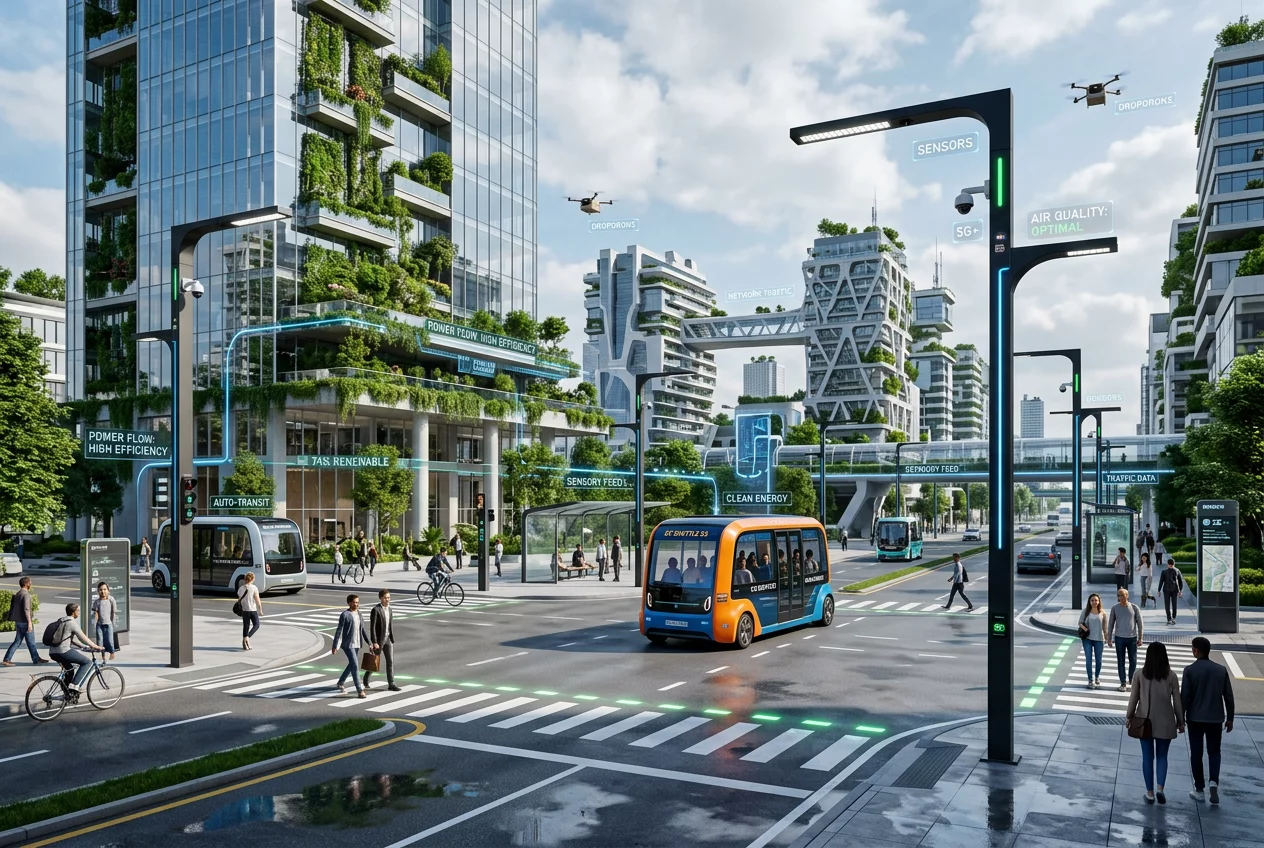
Smart city development in 2026 focuses on the seamless integration of various urban systems to improve the quality of life for residents. Modern infrastructure projects now incorporate a dense network of sensors that monitor everything from air quality to structural integrity. These sensors transmit data to centralized AI platforms that optimize city operations in real-time. Traffic management systems adjust signal timings based on live vehicle flow, reducing congestion and lowering carbon emissions. Public lighting systems dim automatically when no pedestrians are present, conserving significant amounts of energy. This interconnectedness transforms a city from a collection of static buildings into a living, breathing organism that responds to the needs of its inhabitants.
Transportation infrastructure undergoes a radical redesign to accommodate autonomous electric vehicles and shared mobility solutions. Traditional parking garages are being converted into multi-modal hubs that serve as charging stations and transfer points. These hubs facilitate the transition between high-speed rail, autonomous shuttles, and personal micro-mobility options like e-bikes. Dedicated lanes for self-driving vehicles ensure safe and efficient movement through dense urban corridors. The reduction in private car ownership allows city planners to reclaim street space for parks and pedestrian walkways. Designing these hubs requires a deep understanding of future transit patterns and a flexible approach to urban zoning.
Urban energy production shifts toward decentralized microgrids that utilize renewable sources such as solar and wind. Smart buildings act as small power plants, generating electricity and sharing the surplus with the local grid. Advanced battery storage systems located within neighborhoods ensure a steady power supply even during peak demand or low generation periods. These microgrids increase the resilience of the city against large-scale power outages and reduce the reliance on fossil fuels. Smart meters provide residents with detailed information about their energy consumption, encouraging more sustainable habits. The construction of these grids involves complex coordination between utility companies, developers, and local government agencies.
City planners and architects now use digital twins to simulate the impact of new developments before construction begins. A digital twin is a virtual replica of a physical city that incorporates real-time data from various sources. This technology allows for the testing of different scenarios, such as the effect of a new skyscraper on wind patterns or sunlight access. Infrastructure projects benefit from more accurate cost estimations and reduced risks of errors during the build phase. Stakeholders can visualize the final result and provide feedback early in the process. Utilizing digital twins ensures that smart city infrastructure is both functional and aesthetically pleasing, fitting perfectly into the existing urban fabric.
The vast amount of data collected by smart city sensors necessitates robust privacy and security measures. Encrypted communication channels protect sensitive information from unauthorized access and cyber threats. Municipalities implement strict data governance policies to ensure that resident information is used ethically and transparently. Public trust is essential for the success of smart city initiatives, so clear communication about data usage is a priority. Secure cloud storage solutions provide the necessary infrastructure for managing large datasets while maintaining high levels of availability. Engineers and developers must prioritize security at every stage of the infrastructure lifecycle to prevent potential vulnerabilities.
Leave a Comment
Our Chapters
News
ScopeBasis Handbook is an independent educational resource. It does not perform takeoffs, calculate quantities, prepare bids, or process plan files.
© All Rights Reserved
 ScopeBasis Handbook