

About Us
ScopeBasis Handbook offers structured reference data to help planners, architects, and managers establish precise project boundaries. Our resources focus on reducing errors in material takeoffs, labor estimation, and regulatory alignment. By using verified industry standards, we support systematic cost controls and clear technical specifications.
Cross-referenced regulatory standards
Granular material calculation formulas
Chapters
Learn how to draw clear lines between what is included and what falls outside the project scope.
Practical guidance on documenting exclusions and stating assumptions so reviewers understand the basis.
Checklists for preparing clarification questions and reviewing changes before bid submission.
Chapters
Define the scope boundary
Separate facts from assumptions
Record exclusions clearly
Identify missing information
Prepare clarification questions
Review changes before submission
Materials
Scope Boundary vs. Project Description
How to Write a Useful Estimate Assumption
Five Types of Exclusions That Need Explanation
Clarification Questions Before Bid Review
Change Review Before Submission

Let’s Talk
Team Members

Hope Shaw
Estimating Consultant

Donald Marshall
Quantity Surveyor

Helen Walker
Civil Engineer
Post Question
We update our reference data twice a year to incorporate new building codes and market averages.
Yes, all estimation templates can be downloaded in standard spreadsheet and document formats.
We offer corporate subscriptions that allow concurrent access for teams of various sizes.


0.3k
Job Done
Testimonials


The scope definition templates have helped us establish clear project boundaries with subcontractors.

A reliable reference manual for verifying material takeoff calculations during the bidding phase.

The labor benchmarks align closely with our historical productivity rates on commercial projects.

Provides a structured approach to estimation that is easy for junior estimators to follow.
Insights & Updates

Popular
07.13.2026
Global Logistics Trends Affecting Construction Lead TimesThe Current Landscape of Maritime FreightInternational shipping routes undergo constant transformation as geopolitical shifts and.

Popular
07.21.2026
The Evolution of Smart City Infrastructure in 2026Integrated Urban EcosystemsSmart city development in 2026 focuses on the seamless integration of various urban systems to improve the.
Popular
07.16.2026
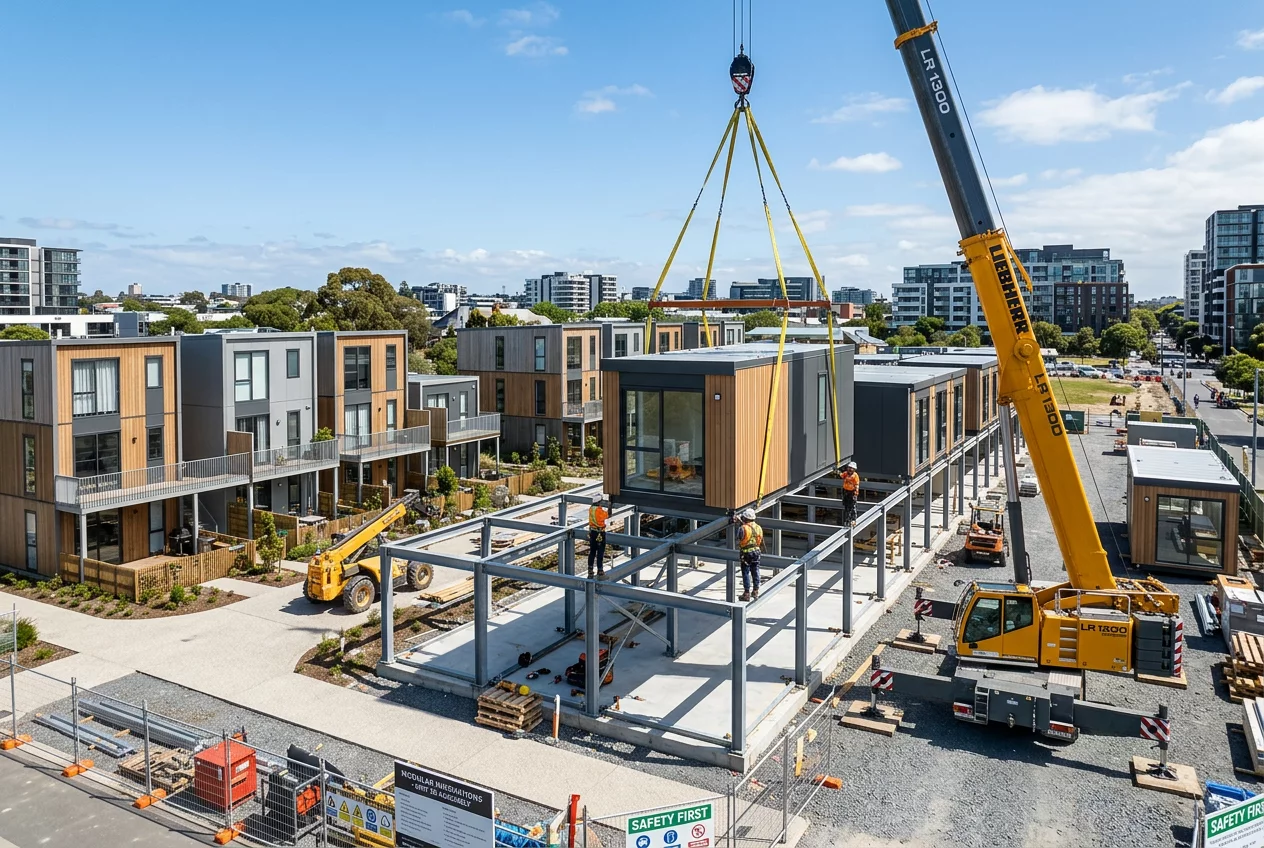
How Modular Construction is Reshaping Residential HousingEfficiency Through Factory-Controlled EnvironmentsModular construction moves the majority of the building process into a controlled factory.
Our Chapters
News
ScopeBasis Handbook is an independent educational resource. It does not perform takeoffs, calculate quantities, prepare bids, or process plan files.
© ScopeBasis Handbook All Rights Reserved
 ScopeBasis Handbook