How Modular Construction is Reshaping Residential Housing
Latest Posts

Preston Green
0 Comments
How Modular Construction is Reshaping Residential Housing
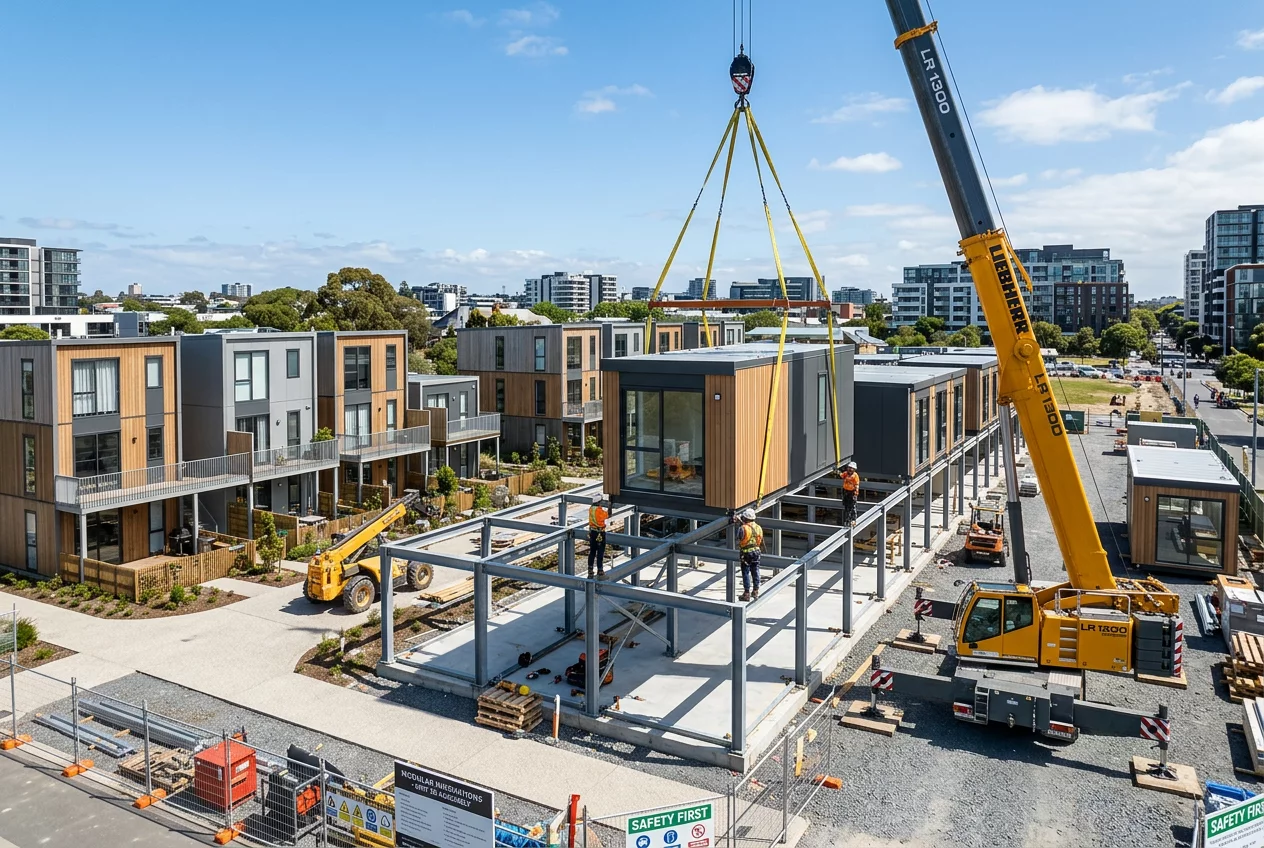
Modular construction moves the majority of the building process into a controlled factory setting, where precision and quality are paramount. This environment eliminates the delays caused by adverse weather conditions and allows for simultaneous site preparation and building fabrication. Workers operate in a safer and more ergonomic space, leading to higher productivity and better craftsmanship. Each module is built to exact specifications using advanced machinery, ensuring a level of consistency that is difficult to achieve on a traditional construction site. Once completed, these units are transported to the final location for assembly. This streamlined approach significantly reduces the overall project duration, allowing residents to move in much sooner than with conventional methods.
The modular approach offers significant environmental benefits by optimizing material usage and minimizing waste. Factory production allows for more accurate cutting and assembly, which reduces the amount of scrap material sent to landfills. Excess materials from one module can easily be repurposed for the next one in the production line. Additionally, the controlled environment allows for better management of hazardous substances and energy consumption. Modular buildings are often designed with high-performance insulation and energy-efficient systems as standard features. The reduction in on-site construction activity also means less noise, dust, and disruption for the local community. Choosing modular construction is a proactive step toward meeting modern sustainability goals.
The speed and scalability of modular construction make it an ideal solution for addressing the urgent need for affordable housing. Standardized designs allow for rapid replication across different sites, reducing architectural and engineering costs. Modular units can be stacked to create high-density apartment buildings or arranged for single-family homes. This flexibility allows developers to respond quickly to market demands and urban growth patterns. Government agencies are increasingly looking at modular solutions to provide high-quality housing for low-income families and displaced populations. The ability to deliver hundreds of units in a fraction of the time required for traditional builds is a game-changer for urban development.
Advanced software and Building Information Modeling (BIM) are essential for the success of modular projects. These tools allow for the creation of detailed 3D models that include every component of the module, from structural elements to electrical wiring. BIM facilitates coordination between architects, engineers, and factory teams, ensuring that every module fits perfectly during assembly. Virtual reality simulations allow clients to walk through their future homes and make changes before production starts. These technological innovations reduce the risk of costly errors and rework on-site. The integration of smart home technology into modular units is also becoming more common, providing residents with modern conveniences from day one.
Modern modular homes are indistinguishable from site-built structures in terms of aesthetics and durability. High-quality finishes and diverse architectural styles have helped to overcome the old perception of 'prefab' as cheap or temporary. In many cases, modular buildings are actually stronger than traditional ones because they must withstand the stresses of transportation and crane lifting. Architects now push the boundaries of modular design, creating stunning contemporary homes that win prestigious design awards. As more successful projects are completed, the public and financial institutions are becoming more comfortable with modular construction. The ScopeBasis Handbook provides the necessary frameworks for evaluating these projects and ensuring they meet all regulatory standards.
Leave a Comment
Our Chapters
News
ScopeBasis Handbook is an independent educational resource. It does not perform takeoffs, calculate quantities, prepare bids, or process plan files.
© All Rights Reserved
 ScopeBasis Handbook